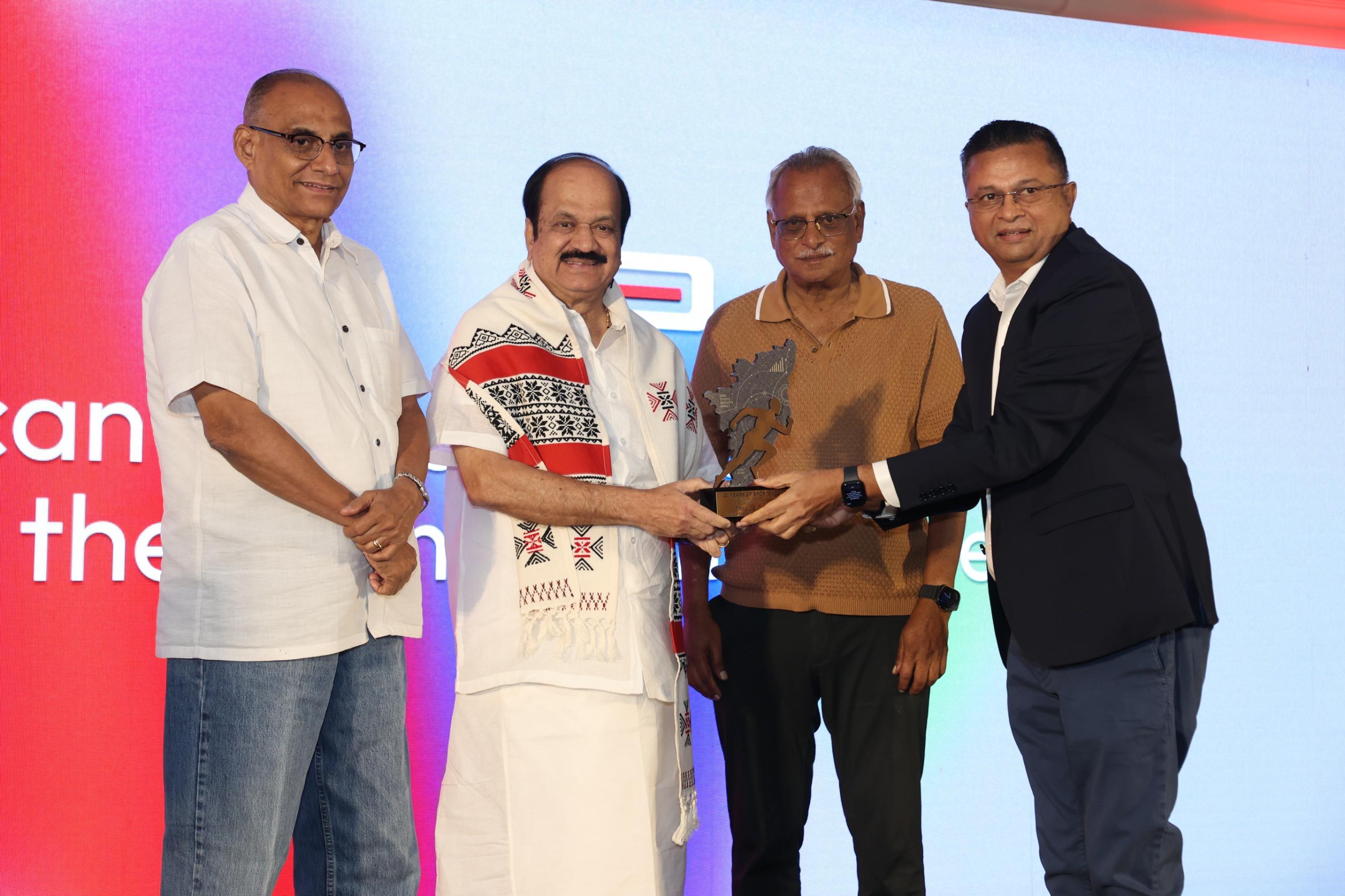

What happens when two decades of sports data and domain expertise meet the possibilities of artificial intelligence? At SportsMechanics’ 20th-anniversary celebration in Chennai, that question became the starting point for a new chapter in sports intelligence.
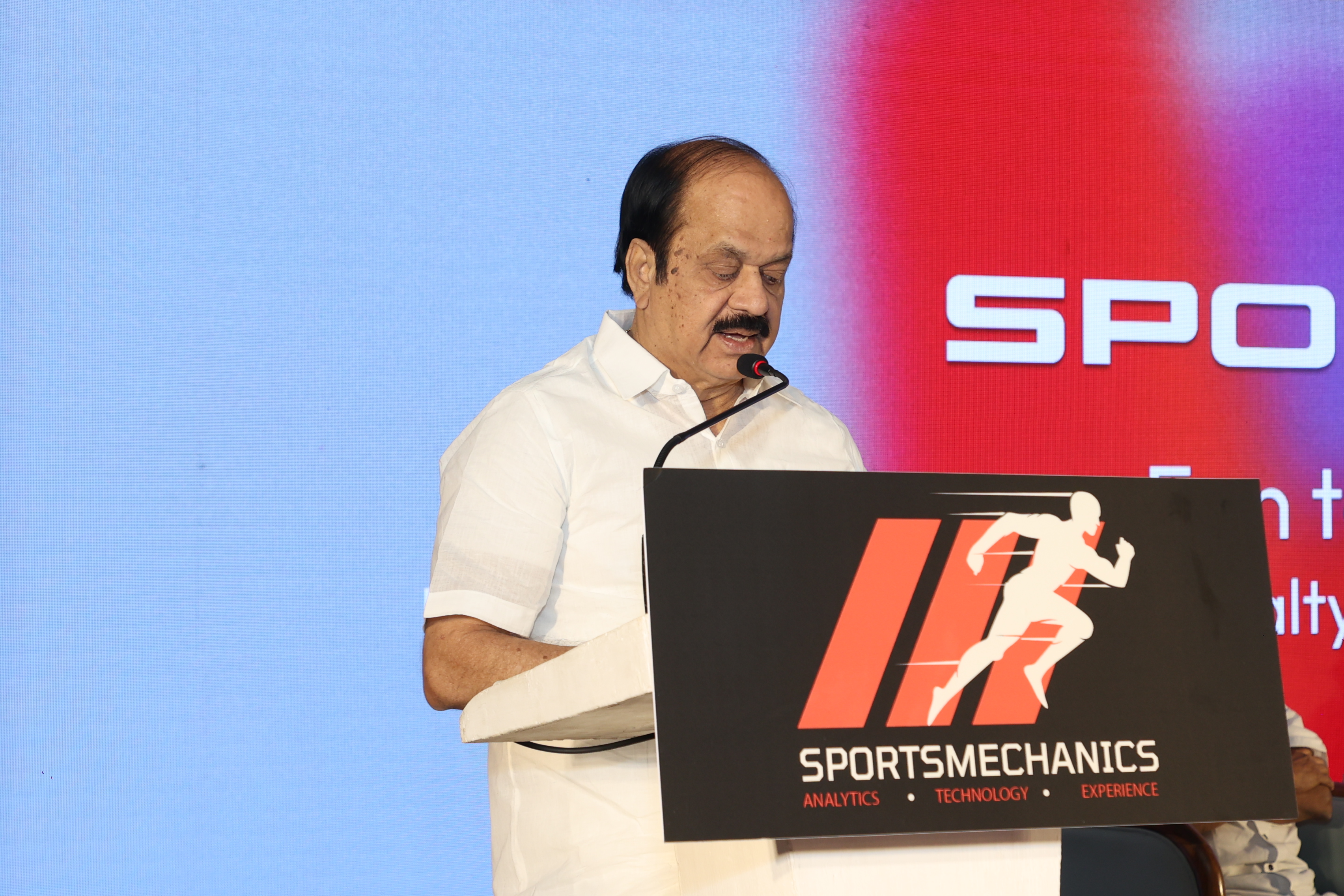
On 28 September 2026, SportsMechanics unveiled SportOS, the Sports Intelligence Layer, at The Leela Palace, Chennai. The occasion brought together distinguished leaders from sport and public life to celebrate the company’s journey and discuss the possibilities emerging at the intersection of sports, data and technology.
Among those present were Thiru J.C.D. Prabhakar, Hon’ble Speaker of the Tamil Nadu Legislative Assembly and Chief Guest; Thiru Kasi Viswanathan, CEO of Chennai Super Kings; Thiru D.V. Sundar, former Vice President of FIDE; and Thiru T.J. Srinivasaraj, President of the Tamil Nadu Cricket Association.
Their perspectives reflected a common theme: technology is becoming increasingly important to the future of sport, but its value lies in how effectively it supports people, decisions and sporting development.
SportOS represents SportsMechanics’ next step in that journey, connecting sports data, video, context and workflows through an AI-driven intelligence layer.

SportsMechanics unveils SportOS at its 20th-anniversary celebration in Chennai.
A New Chapter Built on Two Decades of Sports Intelligence
SportsMechanics began its journey with a belief that better information could lead to better decisions in sport.
Over the last two decades, the company has worked across Indian cricket, hockey and other high-performance sporting disciplines, contributing sports analytics, performance intelligence and technology initiatives.
That experience has provided a practical understanding of how information is captured, interpreted and used across different sporting environments.
Today, the challenge is changing.
An explosion of data is happening around every athlete, team, competition and fan. Match statistics, video, performance history, fitness information, operational data and digital engagement each offer valuable signals. Yet these signals become more useful when understood together.
As SportsMechanics Founder and CEO Ramakrishnan Subramanian explained during the launch, “The challenge now is making sense of it.”
That is the thinking behind SportOS.
Rather than looking at data in isolation, SportOS is designed to connect data, video, sporting context and workflows to help stakeholders understand information and put it to use.
Its guiding principle is straightforward:
Understand. Reason. Decide. Act.
Kasi Viswanathan: How Data Has Become Central to Modern Cricket
Reflecting on his longstanding association with SportsMechanics, Thiru Kasi Viswanathan, CEO of Chennai Super Kings, spoke about the organisation’s evolution and the growing role of analytics in cricket.
He recalled the early opportunity provided by the Tamil Nadu Cricket Association and the journey through which SportsMechanics developed its capabilities over the years.
His remarks highlighted a significant shift in the sport: analytics, once an emerging discipline, has become an increasingly integral part of how teams operate.
Data now informs decisions across multiple levels of the game. The opportunity ahead is to make that information even more connected to the context in which decisions are made.
This is central to the thinking behind SportOS: moving beyond individual sources of information towards a more connected approach to sports intelligence.
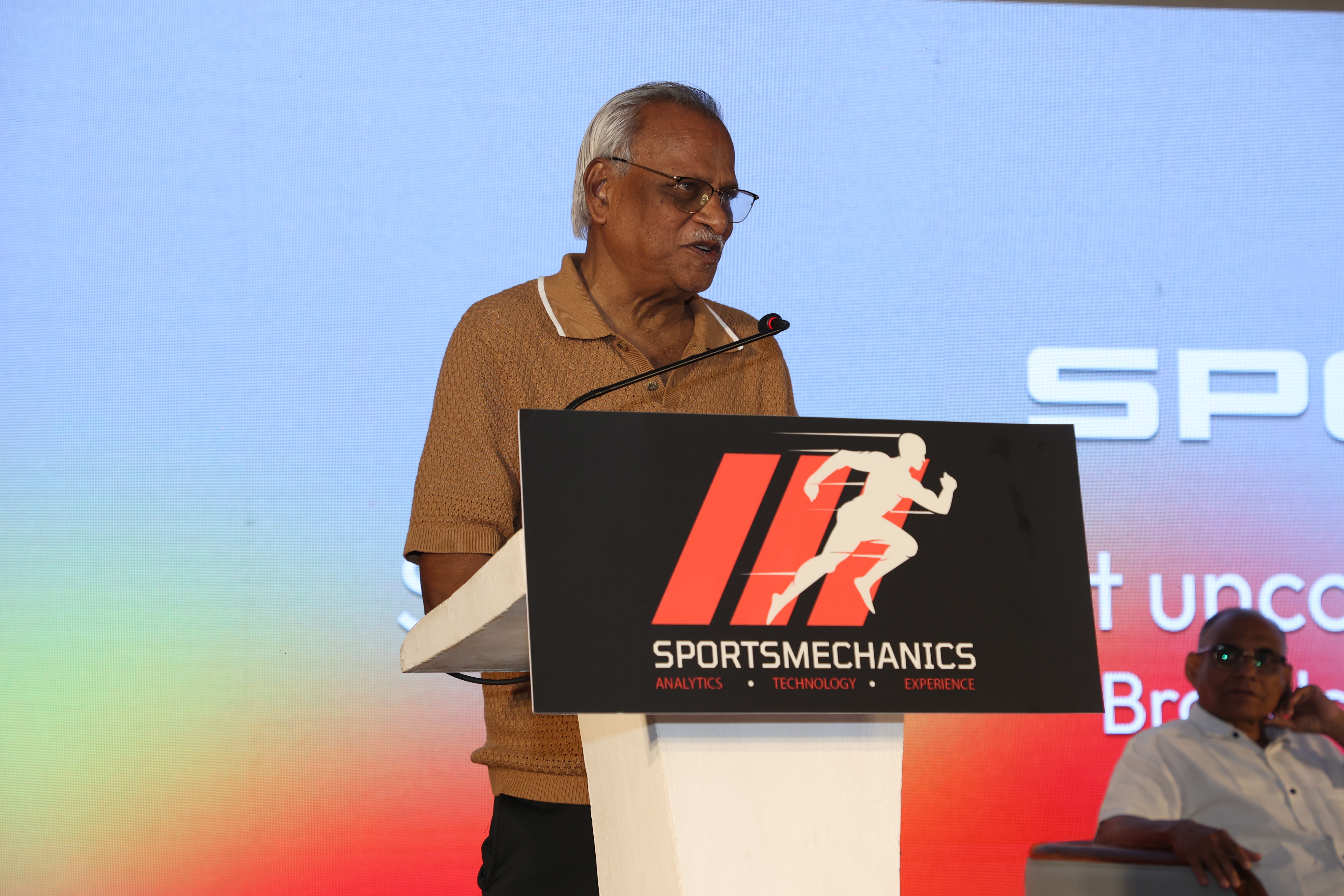
D.V. Sundar: Expanding Opportunities for Sport in Tamil Nadu
Thiru D.V. Sundar, former Vice President of FIDE, highlighted how sporting knowledge and technology can create wider opportunities when supported by collaboration between sporting institutions, technology experts and government.
His remarks brought attention to the potential for Tamil Nadu to build on existing sports technology capabilities and extend their benefits to more athletes and sporting disciplines.
He emphasised the opportunity to develop stronger pathways for young athletes and support the wider development of sport across the state.
This perspective reinforces an important dimension of sports intelligence: technology has value not only when it improves existing systems, but also when it helps more people access structured development and better-informed support.
For a sporting ecosystem with participants at different levels, connecting information and expertise can help create a stronger foundation for future opportunities.
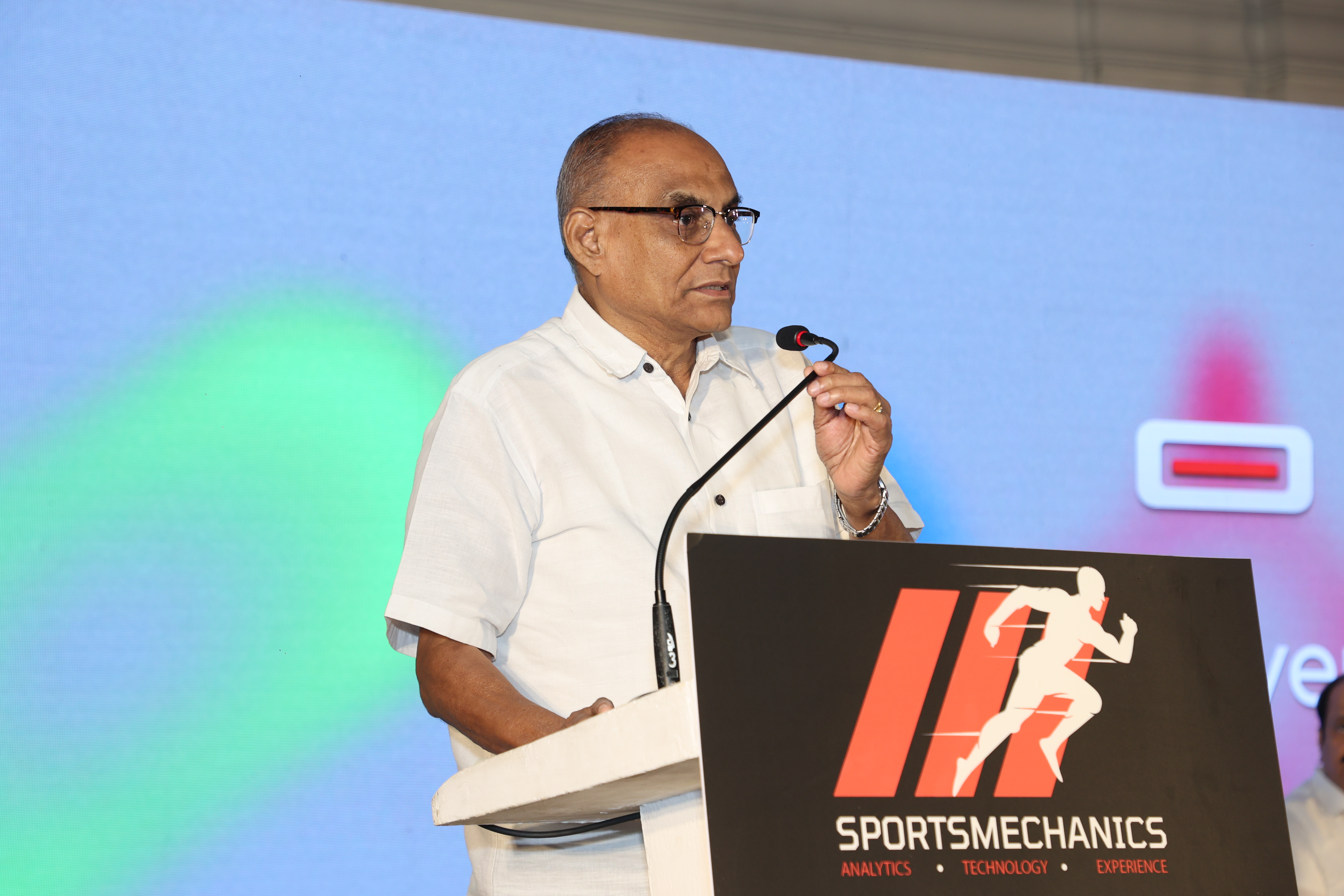
T.J. Srinivasaraj: The Evolving Role of Technology in Performance
Thiru T.J. Srinivasaraj, President of the Tamil Nadu Cricket Association, reflected on how technology has changed the way athletes and teams understand performance.
He noted the evolution from an era when players had relatively few tools to evaluate their game to the current environment, where technology increasingly supports performance analysis, decision-making and injury prevention.
He also acknowledged SportsMechanics’ contribution to cricket through its work with the TNCA, Tamil Nadu Premier League and Indian Premier League, alongside its expansion into other sporting disciplines.
His perspective points to a broader opportunity: sports technology becomes more useful when information can support decisions throughout the athlete’s journey, rather than remaining confined to individual performances or competitions.
SportOS builds on this principle by connecting sports information with the context and workflows through which stakeholders can use it.
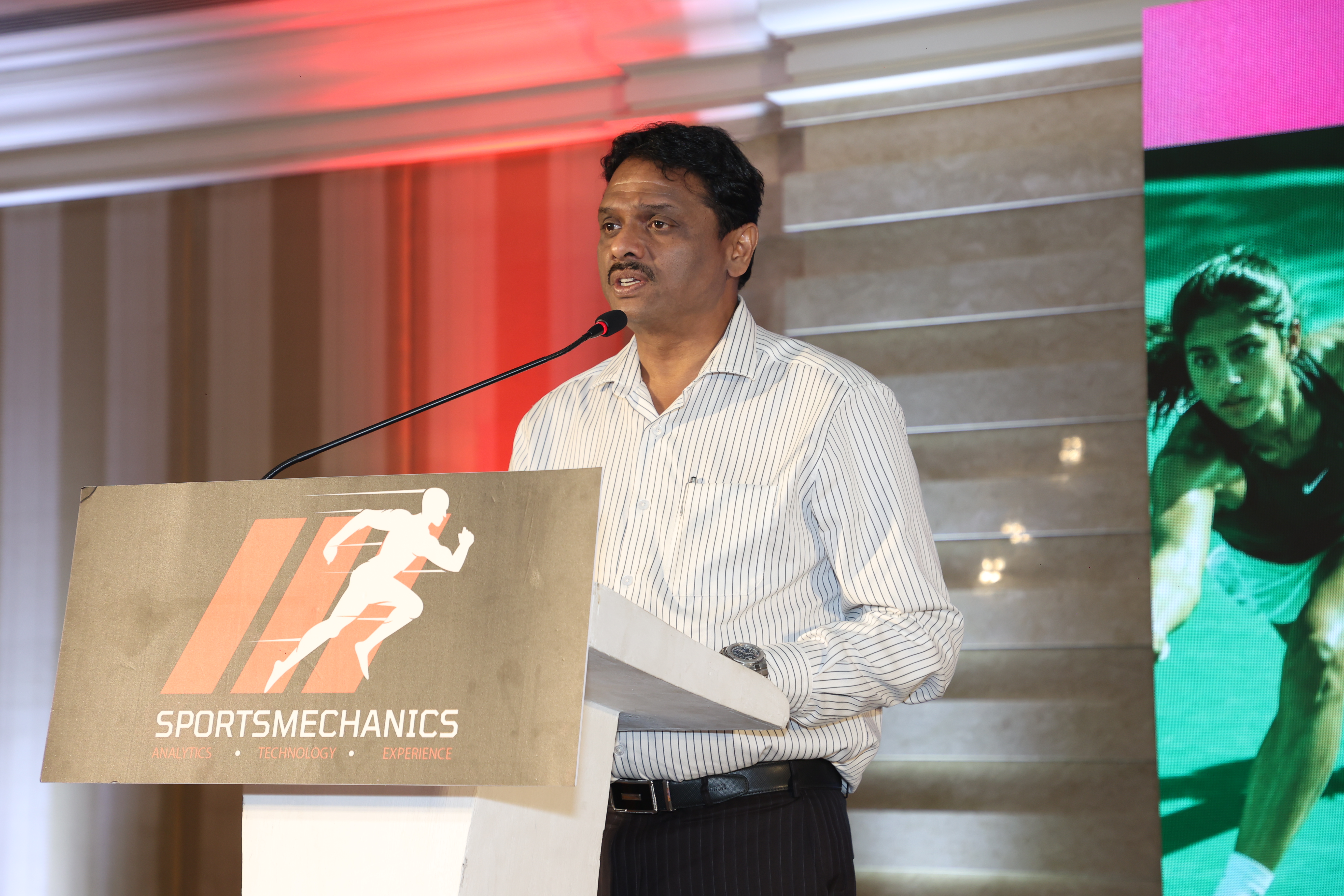
Chief Guest J.C.D. Prabhakar: Technology Must Strengthen Talent
Thiru J.C.D. Prabhakar, Hon’ble Speaker of the Tamil Nadu Legislative Assembly and Chief Guest at the event, highlighted an essential principle for the future of sports technology:
“Technology can assist talent, but technology cannot replace talent.”
His remarks placed the human qualities behind sporting achievement at the centre of the discussion. Data, artificial intelligence and performance history can help athletes and organisations identify opportunities for improvement, but discipline, passion, hard work and mindset remain fundamental to success.
He also emphasised the need for sporting technology to extend beyond cricket and chess into disciplines such as boxing, table tennis, badminton and hockey, with transparent and data-backed approaches supporting wider sporting development.
The message is particularly relevant as AI becomes more prominent across sports.
The objective is not to replace sporting expertise or human judgement. It is to strengthen the information available to the people responsible for making decisions.
For SportOS, this means bringing sports-specific context into the intelligence process while keeping people central to how that intelligence is evaluated and used.
How SportOS Connects the Sporting Ecosystem
The launch introduced SportOS as an AI-driven intelligence layer built around three broad areas of impact.
Run the Sport Ecosystem
For governing bodies, federations, leagues, clubs and sporting administrators, SportOS focuses on governance, operational efficiency and decision intelligence.
By connecting relevant information and workflows, it is designed to help organisations work with greater context and improve how sporting operations are managed.
Develop the Athlete
For those responsible for identifying and developing talent, SportOS focuses on accelerated talent identification and development, a digital twin of the athlete, and a 360-degree view of athlete intelligence.
The ambition is to create a more connected understanding of an athlete’s journey, bringing relevant information into context to support development.
Turn Attention into Participation
For media organisations, broadcasters, brands, sponsors and fan-facing sporting platforms, SportOS seeks to unlock opportunities for stronger audience relationships.
Its focus includes hyper-personalised content, loyalty management, snackable content and smart communities, supporting more relevant experiences and deeper fan participation.
Together, these areas connect different stakeholder needs through a common intelligence layer.
SportOS is designed to bring the context around sport closer to the people who run it, develop its athletes, serve its audiences and shape its future.
From Sports Analytics to Sports Intelligence
Reflecting on SportsMechanics’ journey, Founder and CEO Ramakrishnan Subramanian highlighted the experience accumulated over two decades in understanding what sports data to collect, how to collect it and how to use it effectively.
SportOS brings that accumulated domain expertise together with AI to create an intelligence layer designed for the context of sport.
This distinction matters.
A statistic has meaning within a situation. A video sequence becomes more valuable when viewed alongside relevant sporting context. A recommendation is more useful when the people responsible for acting on it can understand the evidence behind it.
Connecting these elements creates an opportunity to move from fragmented information towards more contextual, connected and actionable intelligence.
Built on 20 years of sports data and domain expertise, SportOS represents the next chapter in SportsMechanics’ work across the sporting ecosystem.
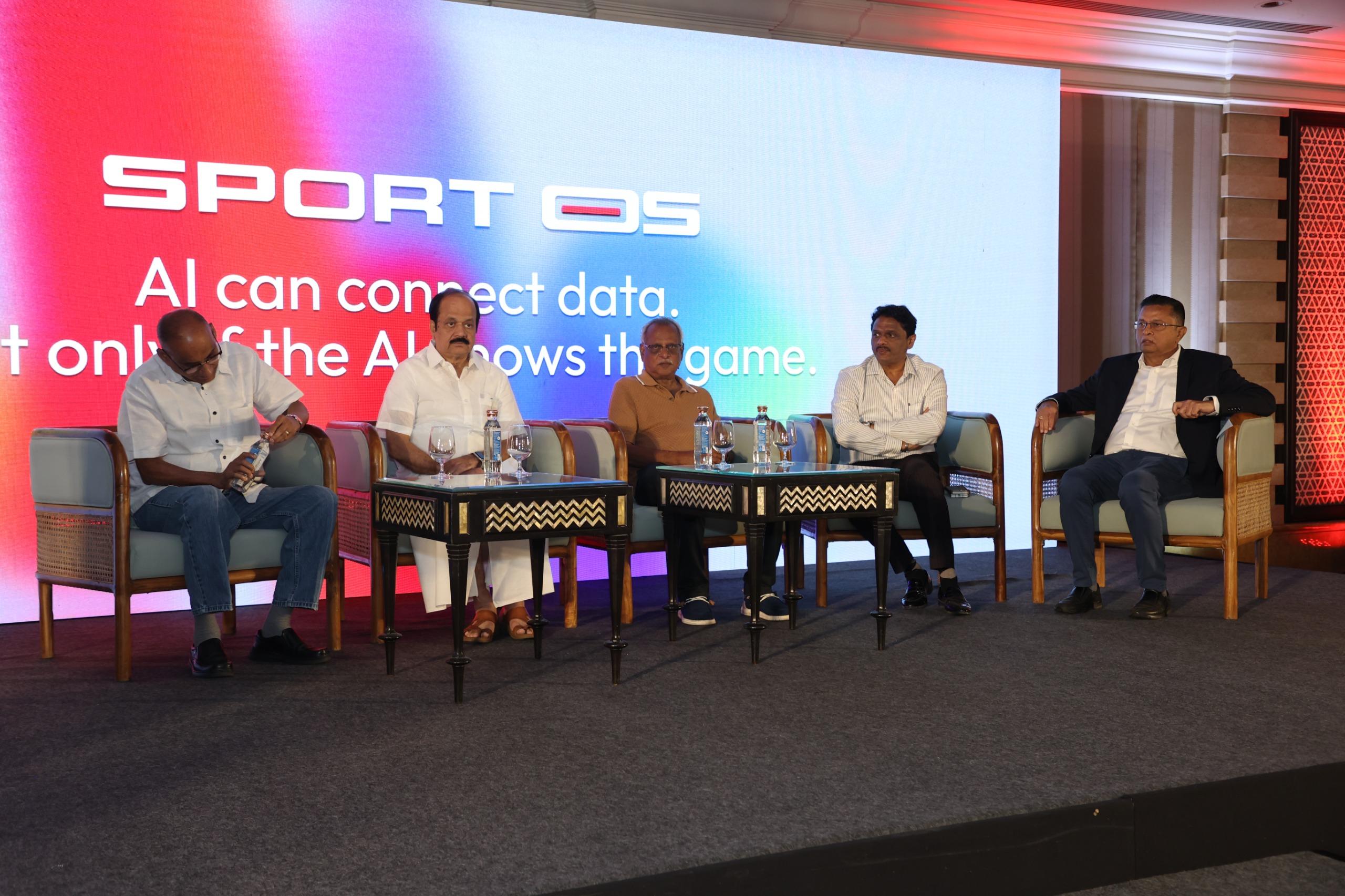
Celebrating the people and partnerships behind SportsMechanics’ journey and the future of sports intelligence.
Looking Ahead: One Intelligence Layer. Every Workflow.
The SportOS launch marked both a milestone in SportsMechanics’ 20-year journey and a statement of intent for what comes next.
The perspectives shared at the event reflected different dimensions of the same opportunity: using technology to strengthen sporting decisions, expand athlete development opportunities and create more meaningful connections across the sporting ecosystem.
For SportsMechanics, the next chapter is about bringing its experience in sports data and technology into an intelligence layer designed to connect information, context and workflows.
The ambition is to make sports intelligence more accessible and useful across the people and organisations that shape sport.
One intelligence layer.
Every workflow.
Every stakeholder.
SportOS. The Sports Intelligence Layer.